
How to Make Caffeine Work for You by Joan Kent, PhD
Years ago, I used to warn against coffee and tea because of what I’d read about the interplay of caffeine and insulin. But caffeine is a drug that can be used to our advantage. It has definite value. This article covers a few of those benefits.
To be clear, this post covers the use of coffee and tea, rather than energy drinks, which I do not recommend. Those drinks have been implicated in cardiac episodes, headaches, sleep disturbances, anxiety, nervousness, high blood pressure, and more.
Caffeine As an Ergogenic Aid
Much has been written about the ergogenic benefits of caffeine, particularly for endurance athletes, so it’s unnecessary to go into detail here.
Bottom line, caffeine helps athletes work harder and generate more power, often without feeling the extra effort. Although the power increases could be as much as 3%, the athletes may not even feel that they’re putting out more effort.
It’s a good idea to get accustomed to caffeine in your training workouts before using it during a performance event, whatever that may be. My advice has always been, “No surprises on performance day.”
Know how caffeine affects you and how much you can safely consume without upsetting your stomach or causing anxiety, irritability, high heart rate, or insomnia.
Again, stick with the basics – coffee and tea, green tea in particular.
Brain Chem and Caffeine
When we drink coffee or tea, caffeine occupies the brain receptors normally occupied by adenosine. Adenosine inhibits the release of dopamine and norepinephrine – 2 primary brain alertness chemicals – to prevent an over-release of them.
When caffeine occupies and ‘takes over’ the adenosine receptor, adenosine can’t inhibit dopamine and norepinephrine. What happens is those 2 chemicals are disinhibited and thus released. We feel extremely alert and may notice improvements in memory, mood, energy, reaction time, and general cognitive function.
Protein foods can also make us feel alert.
So Why Eat Protein? Why Not Just Drink Coffee?
The 2 mechanisms of action are completely different. Caffeine uses stored brain levels of dopamine and norepinephrine, and they’re eventually depleted.
Eating protein, in contrast, provides the 2 amino acids (tyrosine and phenylalanine) the brain uses to make more dopamine and norepinephrine, so the brain chemicals are not depleted.
If you haven’t been eating much protein lately, you might find yourself drinking more coffee. Or you might discover that you get less ‘punch’ from any coffee or tea you drink because your brain stores of dopamine are already depleted, and you haven’t consumed enough protein to make more dopamine.
On the other hand, if you systematically and consistently eat protein foods throughout the day, you might find you don’t need or want as much coffee or tea because your brain keeps making – and releasing – dopamine and norepinephrine.
(Sleep restores dopamine, too, but that’s a separate topic and beyond the scope of this article.)
Coffee and Tea for Health?
Recent research has shown benefits of coffee consumption. Coffee contains antioxidants and has been found to reduce the risk of type 2 diabetes, endometrial cancer, skin melanoma, multiple sclerosis, Alzheimer’s, and heart disease.
Benefits of green tea have long been known. It contains powerful antioxidants, can reduce anxiety, and can improve dental health. Like coffee, it may reduce the risk of Alzheimer’s, type 2 diabetes, heart disease, and certain cancers. Tea can also reduce the risk of Parkinson’s.
Caffeine As a Pain Reliever
It’s less frequently mentioned, but relieving pain could be considered another benefit of caffeine. Both norepinephrine and dopamine trigger an analgesic effect.
As we all know, plenty of potent pain-killing substances are available, either over the counter or by prescription. Yet caffeine could be seen as a more natural pain reliever, particularly in light of the health benefits listed above for coffee and tea.
If you train hard, that’s good to know.
Unsweetened Is Better
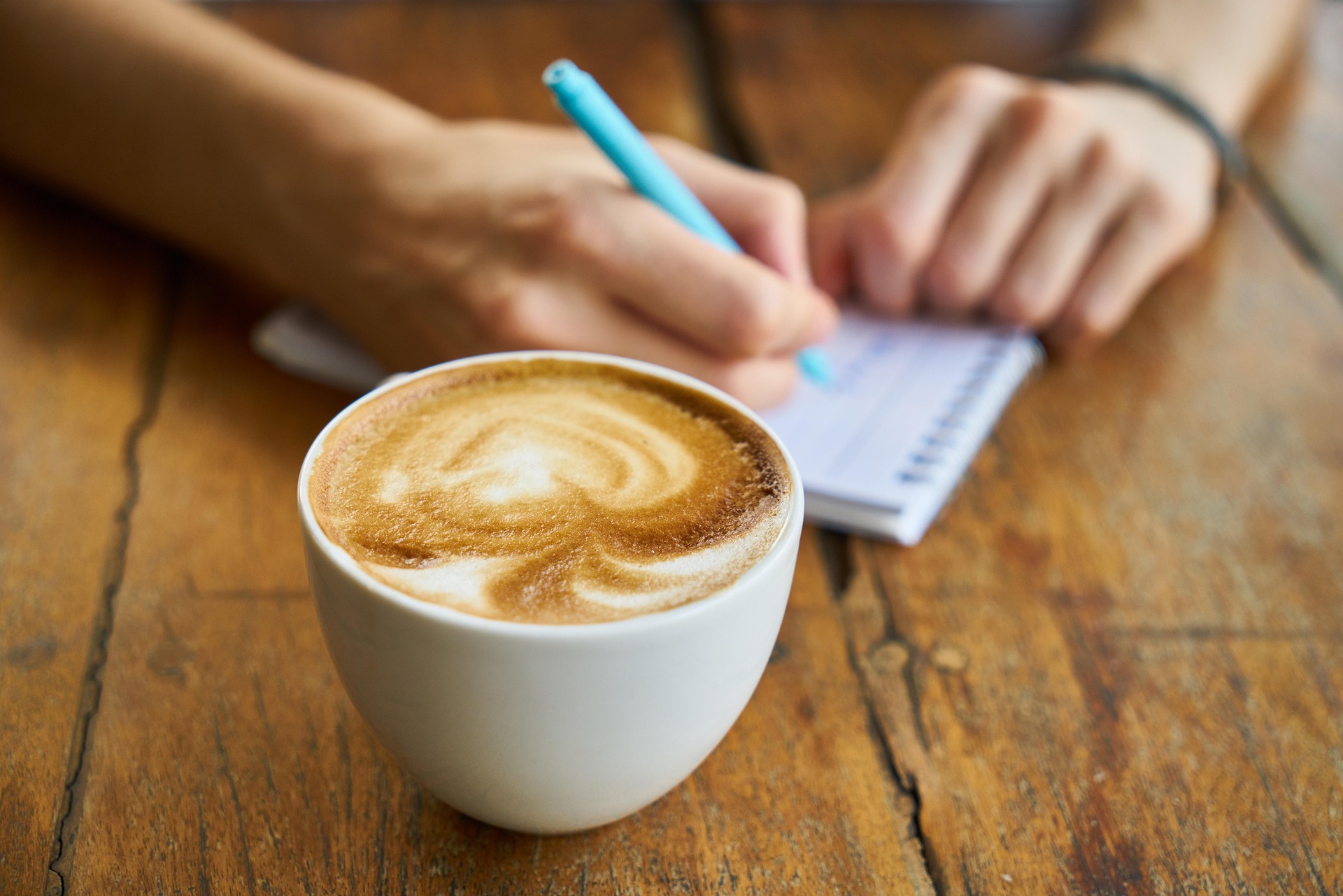
Do I need to mention that sugar could reverse most of the benefits covered here? Limit fancy coffees with exotic names; they often contain sugar. Again, sticking with the basics is a healthier choice.
Limiting sugar in general will help keep you more alert and even healthier.
If you’d like more tips to boost your workout performance, just visit LastResortNutrition.com and grab your free Make Me Fitter consult. Discover how easy it can be to surpass your past performances and feel stronger.
Brought to you by Dr. Joan Kent, best-selling author of Stronger Than Sugar.