
Facing a Stage Race? How to Fuel by Joan Kent, PhD
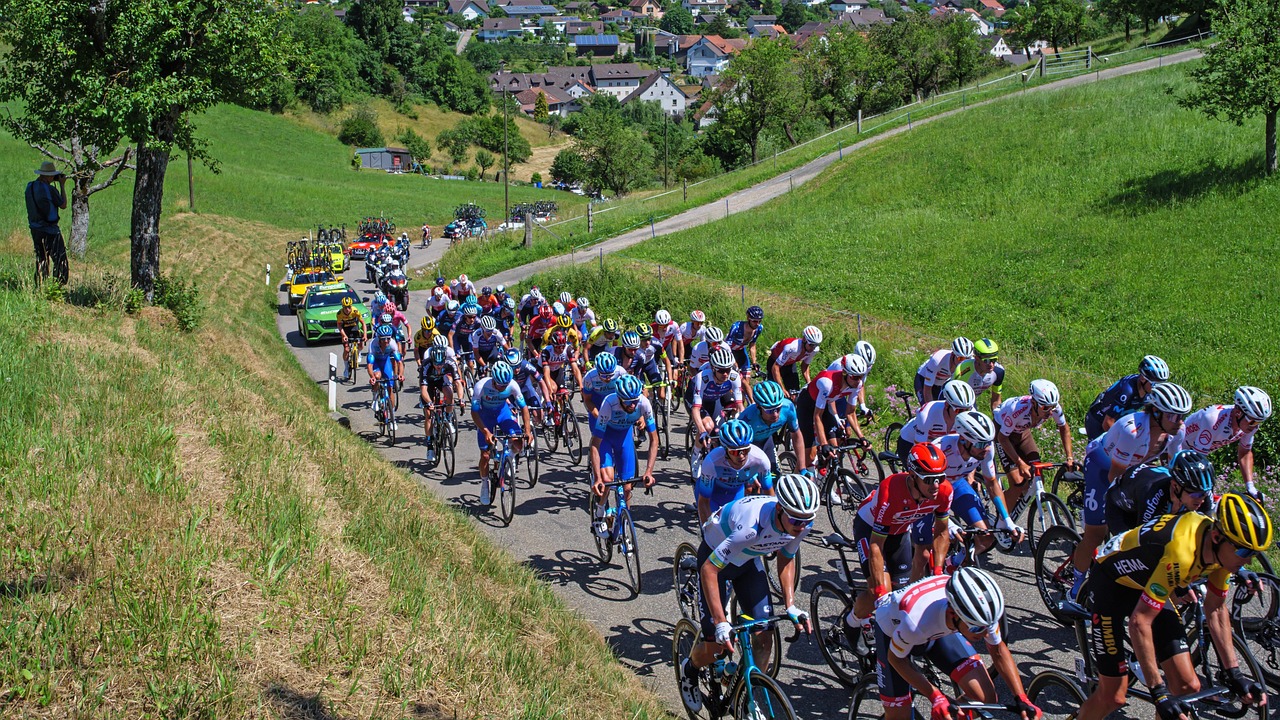
Stage races can be long (Tour de France) or short. The following points on fueling for them were culled from cycling books and magazines, cycling websites, and my coach.
Ideally, fueling starts with Body Recalibration, just a fancy term for conditioning your body and getting it ready for training.
Recalibration should begin at least 6 weeks before race season, but we need to start somewhere. (It’s even better to eat well year-round.)
Step 1: Eliminate junk.
Junk includes alcohol, sugar, energy drinks, high-fat chips and such. If you tend to eat sugar before and during trainings, it’s good to eliminate it as part of this process.
My coach always said endurance athletes never object to expending energy but don’t want to waste it. Wasted energy is any expenditure without a performance payoff.
Forcing your body to detox from chemicals and sugar wastes energy. Get rid of them.
Step 2: Add good stuff.
Eat natural foods, rather than processed. Emphasize vegetables (3-6 cups a day) over fruit. Fructose (sugar in fruit) isn’t good fuel for training. It’s also linked with health issues.
Eat organic if possible. That’s less important with a food that has a thick skin that isn’t eaten. So organic nuts matter less; organic apples matter more.
Stay away from The Dirty Dozen – foods with the highest pesticide levels. The 2025 list has expanded somewhat. Always choose organic versions of these: apples, strawberries, kale, collards, mustard greens, grapes, peaches, spinach, bell peppers, hot peppers, cherries, nectarines, pears, cucumbers, blackberries, blueberries, potatoes, green beans.
Wash all produce thoroughly. Choose foods from the Clean 15 (low pesticide) list.
Step 3: Eat the same types of foods that you eat when training.
Race day is no time for nutrition surprises. If you’ve been junking out all the way up to race day, you might as well eat junk for the races. There won’t be much benefit in changing your food just before, or on, performance day.
In fact, if you’re addicted to sugar, you could find yourself in some distress without it, if you haven’t prepared.
Step 4: Don’t deplete carbs or skip meals, especially your race-day breakfast.
Eat some extra starches 1-2 days before the event to optimize glycogen stores.
Step 5: Eat a meal 3 hours or more before the race starts.
If you’re not adapted to that, consider it part of Body Recalibration and train yourself to get used to doing it.
Avoid eating 30-60 minutes before the start; it might be too close to the effort.
Avoid all-carb (especially all-sugar) meals. They could lead to reactive hypoglycemia in susceptible athletes and cause bonking. Include protein and fat in your meals.
Step 6: Refuel within 30 minutes after each stage. Be fanatical about it.
Glycogen replacement is maximized during the 30 minutes post-workout because the enzyme glycogen synthetase is in its active form and facilitates peak storage. Eating then will also counteract cortisol’s breakdown of muscle protein for energy and will reduce soreness – very important for the next stage.
If you miss the 30-minute window, your muscles may be temporarily insulin resistant for several hours. That inhibits glycogen replacement, which may interfere with your performance in the next stage.
Eat again 2 hours later and 4 hours after that – or 3 hours prior to the next stage. If you race twice that day, stay aware of how many calories you’re expending and consuming. Many convenient devices are available that are worn on the wrist and provide this information.
Primary nutrition concerns in long workouts are:
- Replacing water. Dehydration reduces blood volume; increases heart rate and perceived exertion; and impairs thermoregulation, mental performance, and endurance. Drink lots of water.
- Replacing sodium. Low sodium can result in disorientation, nausea, fatigue, seizures, or collapse. Salt your food instead of using supplements.
- Replacing glycogen after the race so you perform well in the next stage. Fast-absorbing starch and protein in a 3:1 or 4:1 ratio replace glycogen better than fruit or sugar. Don’t eat fats immediately after the race. They slow carb absorption.
Racing at over 20 mph while drafting (riding closely behind another rider) burns roughly 12 kcal/kg/hr. Without drafting, that could increase to 15 kcal/kg/hr. Gender, size, and muscle mass affect those values. Cycling efficiency can lower them – so the better your technique, the less you may burn per hour.
The goal during racing is to postpone fatigue, not replace all the calories you’ve burned. Full calorie replacement occurs during recovery.
Refuel within 30 minutes after the last stage of the day, especially if you will race again the next day.
[Fitness instructors: these points may help on days that you teach several classes.]
For personalized guidelines on fueling and refueling, just visit LastResortNutrition.com and grab a Max My Ride consult. Discover how much a few tweaks can boost your performance.
Brought to you by Dr. Joan Kent, best-selling author of Stronger Than Sugar and The Sugar-Free Workout.